Hoi An
Hoi An coffee class
Black, white, salt, coconut, egg
- Length2 hours
- Reviews5,442
- Styles4
Guides
Language
Currency
See availability$14 and up · free cancelGroup price calculator
Compare all 4 options
Set your party and compare four workshops.
≈
View≈
View≈
View≈
ViewStarting prices as on the booking platform, converted at the ECB reference rate. You see the exact price at booking.
The classic glass and its best-known variations: where each was born, how it tastes and when to order it, from Ha Noi's egg cup to the salt coffee of Hue.
Editorial team, vietnamesecoffeeclass.click · Updated November 16, 2026 · Takes 8 min
Overview
Classic Vietnamese coffee is the plain glass that all the other styles start from, the Vietnamese coffee classic. Robusta is the traditional bean, the national tourism authority says, and the brew is a slow drip through a metal filter.6,7 Sweetened with condensed milk and served cold, it becomes cà phê sữa đá, the iced milk coffee the authority singles out for a hot day as a quintessential Vietnamese coffee experience.8
The word classic is a useful label for the drink visitors meet first. In the authority's description a generous spoonful of sweetened condensed milk meets the phin brew, and black coffee is an acquired taste, so the sweet version is the usual entry point.1,9 A black version without milk exists too, for those who enjoy bitterness. If a menu lists several styles and you are unsure, the classic is the benchmark against which to judge the others.
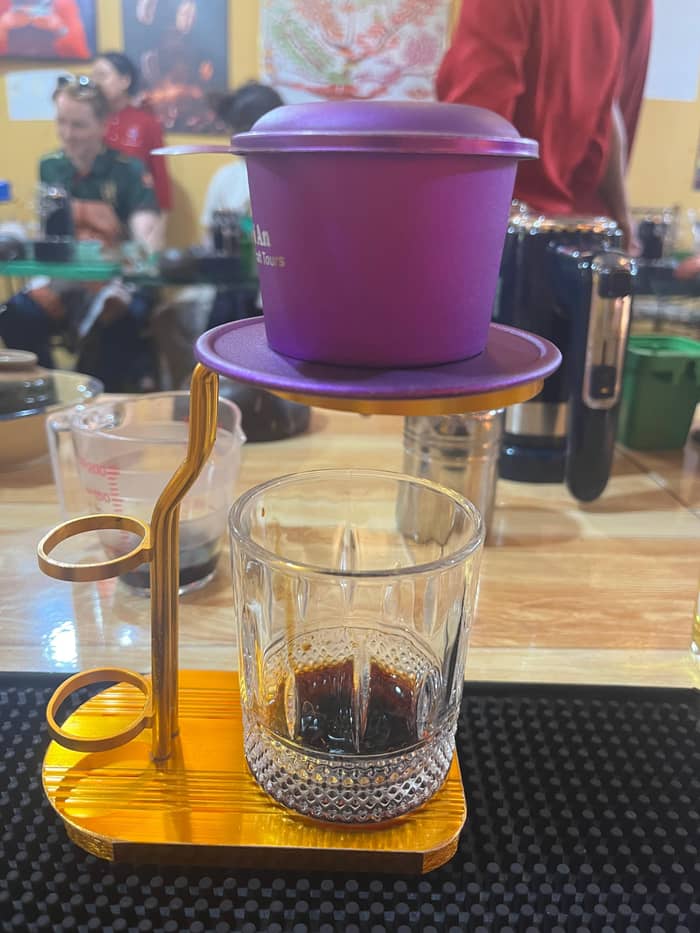
A waiter who brings you a glass with a metal filter perched on top is serving the classic at its most literal. The authority counts the wait for the brew among the pleasures of the style.10 You can sip while it drips, or wait for the last drop, stir it into the milk and then add ice. Every other style on this page changes something in that sequence: the milk, the topping, the ratio or the temperature.
Side by side
| Style | City | Signature |
|---|---|---|
| Classic iced milk | All over1 | Condensed milk, ice13 |
| Egg coffee | Ha Noi2 | Yolk foam17 |
| Salt coffee | Hue18 | Salted cream3 |
| Coconut coffee | Any city, in cafes | Coconut milk blend19 |
| Yoghurt coffee | Ha Noi menus20 | Sour and sweet21 |
| Bạc xỉu | Ho Chi Minh City12 | More milk5 |
Origins and ingredients as the national tourism authority gives them.1
Many visitors want to know about Vietnamese cold coffee vs classic cold coffee, such as the espresso poured over ice they know from home. The difference starts in the glass, and it shows in the first sip. The Vietnamese version is spooned over crushed ice in a tall glass and stirred hard.13 The coffee under the ice comes from a slow gravity drip, unlike the high-pressure extraction behind Italian espresso.14
The milk is different as well. Instead of fresh milk or cream, the Vietnamese cold coffee gets sweetened condensed milk, and the authority says the silky sweetness mellows the earthy bitterness of dark robusta.15 The result is sweeter and heavier than most iced cafe coffees. Locals reached for condensed milk because, the authority explains, fresh milk was hard to find and costly in tropical Indochina.16
Both are cold, but they are not interchangeable. If you want a drink that tastes of coffee first and sweetness second, a black iced coffee, which Vietnamese menus call cà phê đen đá, is the closer match. If you want something creamy, the Vietnamese sữa đá delivers it without any added fresh dairy. Neither is wrong; they are different drinks that share an ice-filled glass, and many visitors order both on the same afternoon.
What a class covers
Counts as the listings name them: 3 types in Saigon, 4 styles in Hoi An, 4 styles in Da Nang and 6 brews in the Hanoi workshop.
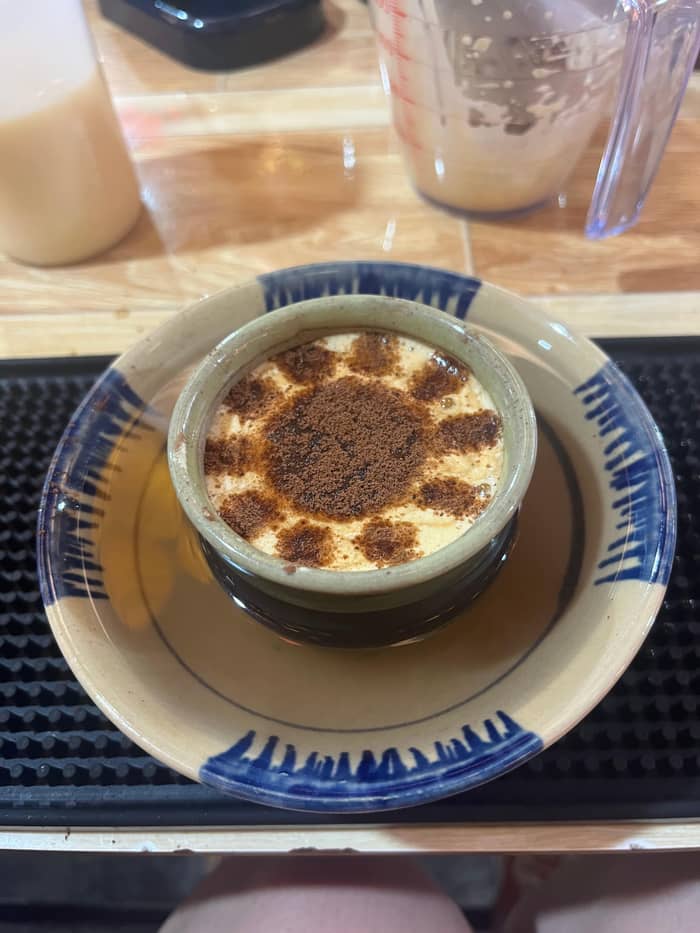
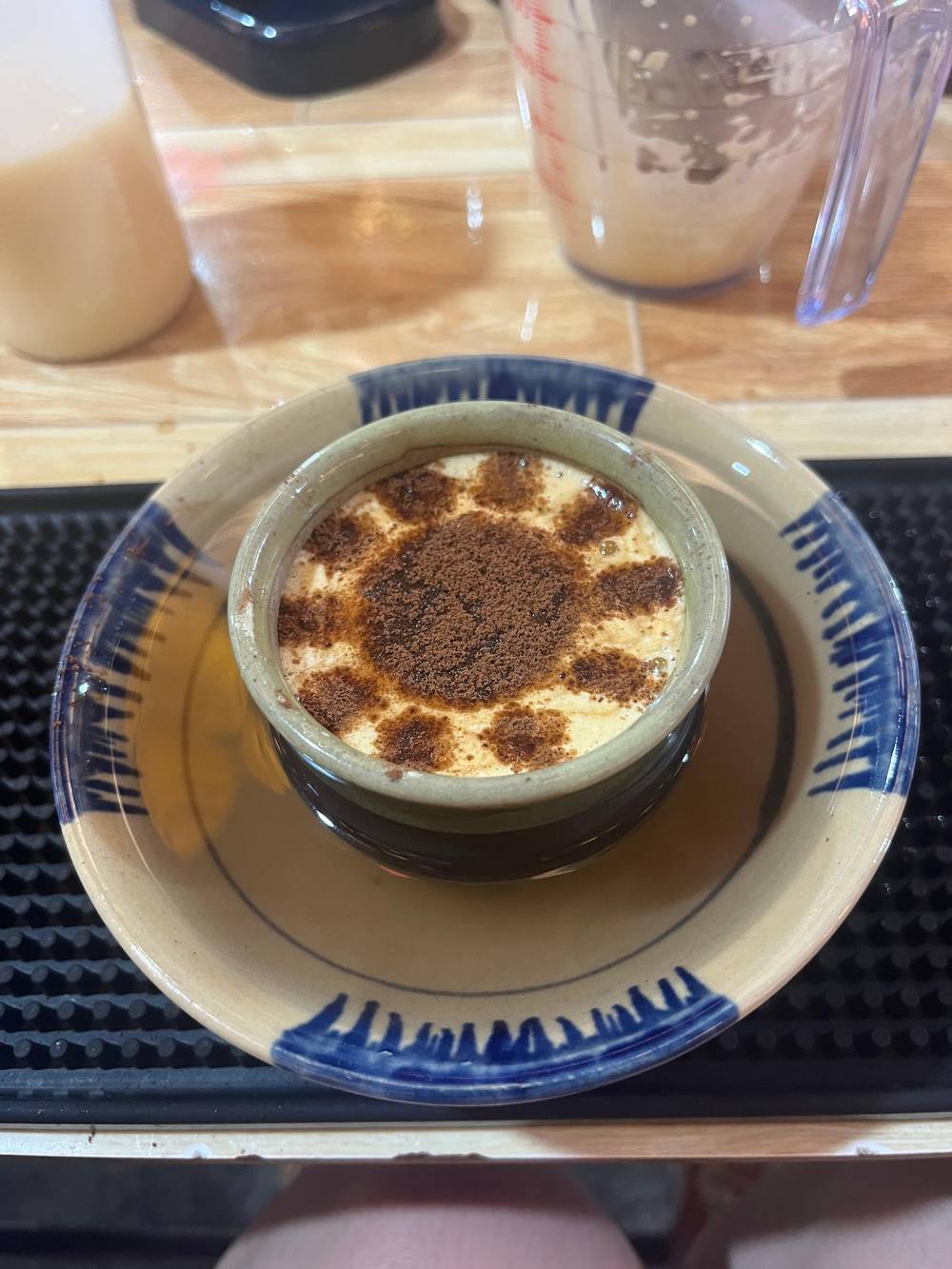
Egg coffee is the most talked-about style, and its origin carries more than one date. The tourism authority says it was born out of a milk shortage in 1946, and another page from the same body places its invention in the late 1940s at Café Giang, where bartender Nguyen Van Giang whipped egg yolks with sugar and butter as a cream substitute.23,24 The stories agree on the shortage and on Ha Noi, and differ only in the date.
Another feature tells it from the drinker's side: with milk scarce after the war, people in Ha Noi still wanted something to soften the edge of their coffee, and egg yolks became the cheap, creamy answer.25 The cup is served in a small bowl of warm water to keep its temperature, with a thick velvety custard layer floating over a concentrated shot of dark coffee.17 Sipping the bitter coffee through the warm sweet foam, the authority says, is like velvety tiramisu in liquid form.26
When to order it is a matter of mood. The authority recommends egg coffee as a Ha Noi must-try, especially during the winter months, which suggests a cooler day.27 Stir the foam through the coffee gradually and drink in small sips.28 It is a dessert as much as a coffee, so many visitors have it after a meal, and a hands-on class lets you watch the whisking close up and ask how the foam is held.
Your order
Say what you feel like and the style follows.
If I want something sweet and cold
Iced milk coffee
If I want something mild
Bạc xỉu
It has more milk and less coffee.5
If I want dessert
Egg coffee
A yolk foam sits on top.2
If I find coffee bitter
Salt coffee
The salt suppresses the natural bitterness.22
If I want something tropical
Coconut coffee
It is a blend of coconut milk, fresh milk and condensed milk.4
If I want something sour
Yoghurt coffee
It mixes yoghurt, coffee and sweet milk.21
Where to learn them
Hoi An
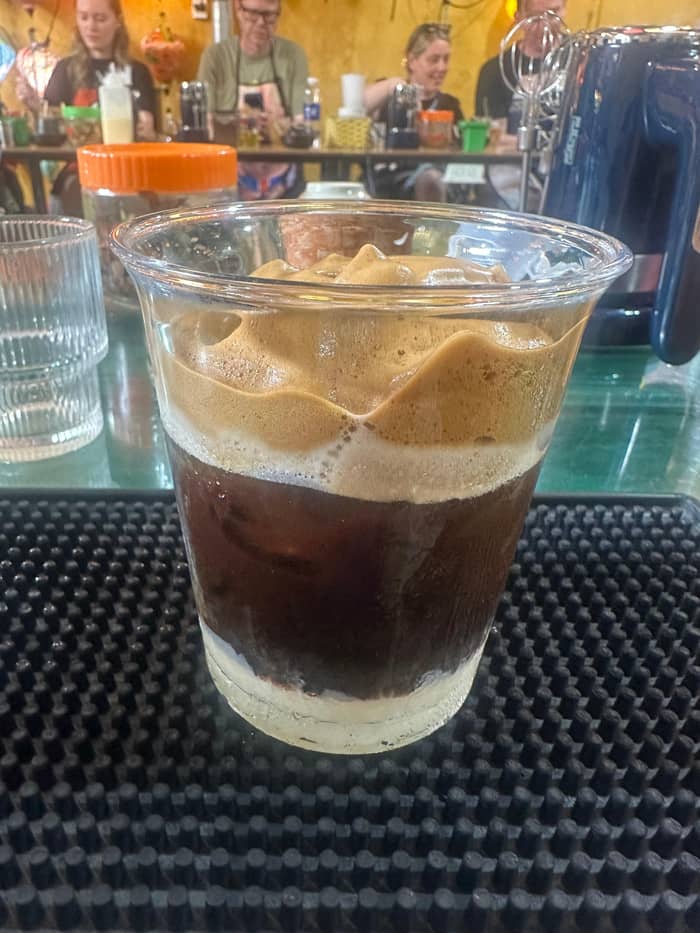
Black, white, salt, coconut, egg
Hanoi
Salt coffee and more brews
Da Nang
Egg, salt, coconut, phin
Salt coffee comes from the imperial city of Hue and tops traditional milk coffee with salted cream, according to the national tourism authority.3 The authority calls it a contemporary masterpiece, and says Hue is famous for it.3,18 The base is the same slow phin brew as the classic, so the difference lies in the cream layered on top, and the drink is easy to recognize on a menu by that pale, slightly savoury cap sitting over the dark coffee.
The salt does not make the drink salty. The authority credits the salt with trimming the bitterness, boosting the sweetness and adding a velvety texture.34 A longer feature explains that a pinch of salt works the way it does on dark chocolate, with the saline note suppressing the natural bitterness of the beans and accentuating their latent caramel sweetness.22 The creamy salted layer melts slowly into the coffee as you drink, so the first sip and the last are different.
Order it when the classic is too bitter and bạc xỉu feels too mild. The authority describes a robusta drip coffee topped with salted cream condensed milk.35 Once you have tasted the drink you will recognize the balance it strikes, and can judge how well a given cafe handles it. The Hoi An class we sell lists Hue salt coffee among its styles, and a Hanoi workshop is named for tasting salt, coconut and egg coffee.
Map
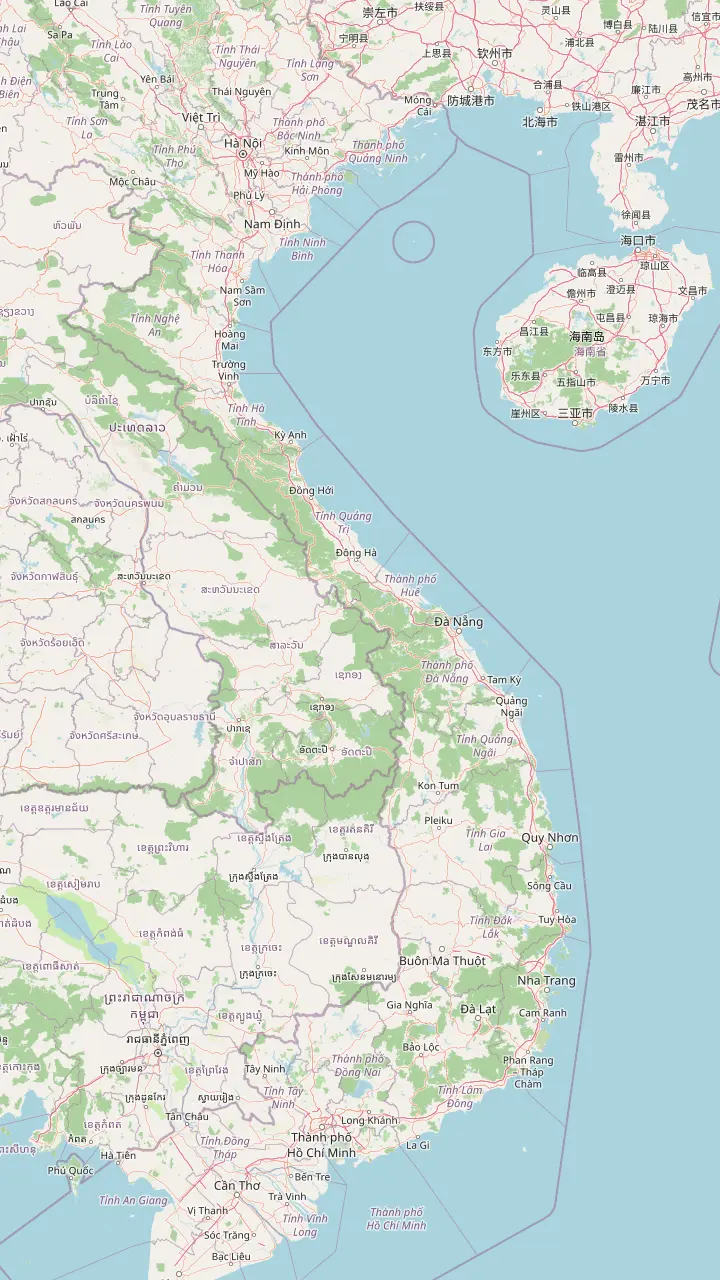
Two views of coffee country: the cities that gave their name to the styles, from Ha Noi in the north to Ho Chi Minh City in the south, and the Central Highlands where the beans grow. Tap a pin for the note.
See 8 route stops
First pick a route, then tap any pin or stop for details and Google Maps.
Hoan Kiem Lake is in Ha Noi, which is the home of egg coffee and ranked among the top global coffee cities in a Food & Wine spotlight.
Google MapsHue is famous for salt coffee, a surprising balance of savoury and sweet.
Google MapsHoi An is where our coffee class runs, for about 2 hours, with 4 styles to make.
Google MapsBen Thanh Market stands in Ho Chi Minh City, the birthplace of bạc xỉu and home to historic cloth-filter coffee stalls.
Google MapsDa Lat is a cool-climate city in the Central Highlands known for its coffee farms and high-quality beans.
Google Maps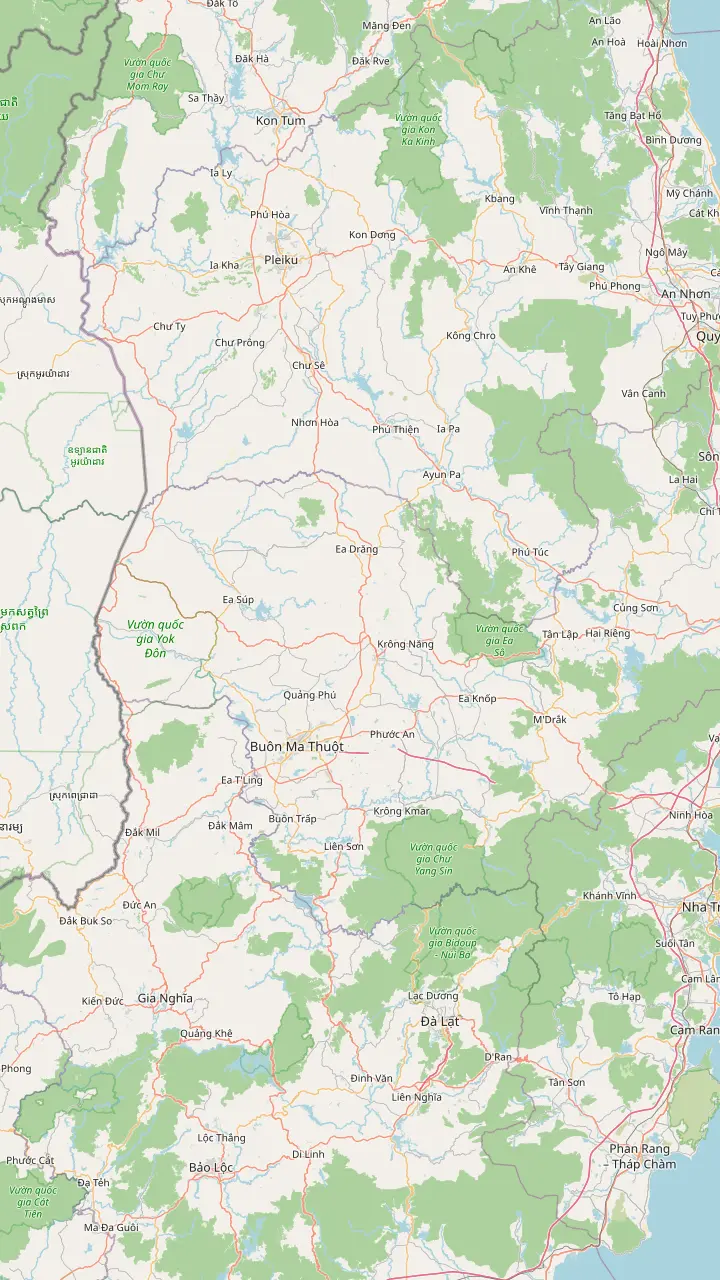
Pleiku lies in Gia Lai, another of the major coffee-producing provinces of the Central Highlands.
Google MapsBuon Ma Thuot lies in Dak Lak, one of the provinces that USDA names among the major coffee-producing provinces.
Google MapsThe French founded a resort town at Da Lat in 1912 and enlisted K'Ho farmers to tend their coffee trees on these highland slopes.
Google MapsMap © OpenStreetMap contributors
A tasting route
Hanoi
Start in the north, where the egg foam was invented.2
Hue
Move to the imperial city for salted cream on the brew.3
Hoi An
A coastal workshop lets you make several styles yourself.
Da Lat
Cool-climate farms are known for high-quality beans.11
Saigon
Finish in the south, the birthplace of the milky cup.12
Coconut coffee is the dessert for hot weather. The authority describes a cold mix of coconut cream, condensed milk and robusta, a tropical antidote to a humid afternoon, and says it is closer to scoop-able ice cream than to a drinkable coffee.19,36 The barista combines drip coffee, coconut milk, fresh milk and condensed milk, then spoons it into a glass.4 It suits anyone who finds the classic too intense.
Yoghurt coffee, cà phê sữa chua, is the one that surprises people. The mix is Vietnamese drip coffee plus yoghurt, with condensed milk and ice as optional extras, and the authority says the sourness of the yoghurt, the bitterness of the beans and the sweetness of the milk make a mouthwatering combination.37,21 It is on menus across Ha Noi, and the better shops make their own fresh yoghurt, the authority says.20
Bạc xỉu sits at the mild end. The authority says its ingredients are essentially the same as the iced milk coffee, with more milk and less coffee going into the glass, and that Ho Chi Minh City is its birthplace.5,12 Teenagers still getting used to robusta bitterness are among its fans.38 If you are introducing a friend to Vietnamese coffee, this is the least challenging first order, and a good yardstick for the stronger styles that follow.
Video
Kara and Nate on YouTube · The clip loads only after you tap play.
a Ha Noi-born specialty featuring a velvety foam made from egg yolk, sugar, and condensed milk layered over strong coffee.
At the counter
Styles follow cities. Ha Noi owns egg coffee and, per the authority, made Food & Wine's list of top global coffee cities.2,29 Hue's calling card is salt coffee, which the authority describes as a surprising balance of savoury and sweet.18 Ho Chi Minh City mixes historic cà phê vợt cloth-filter stalls with sleek third-wave cafes and is the birthplace of bạc xỉu.30,12 Da Lat, up in the cool Central Highlands, has built a name on its farms and quality beans.11
The map above plots each of these cities on the coast and in the highlands. Hoi An, where our class runs, sits between Hue to the north and Ho Chi Minh City to the south, so a traveler on the coast can meet the Hue salt style and the southern bạc xỉu on the same trip. That makes Hoi An a handy place to try several in one session rather than traveling to each city for a single glass.
Wherever you drink, the setting counts. The authority calls cà phê bệt, coffee on a newspaper or a low plastic stool at the roadside, a rite of passage, and adds that new shops in Da Nang, Saigon and Hanoi serve single-origin robusta and highland arabica alongside the old drippers.33,39 Order the classic on a stool, the egg coffee in a quiet corner and the salt coffee wherever it is made with care.
A class condenses the whole menu into a single afternoon, and you leave with a list of what to order. The Hoi An class runs 2 hours; its highlights name 4 coffee styles including Ha Noi egg coffee, and the record lists egg, coconut and Hue salt coffee beside the black and white cups. The Da Nang workshop names egg coffee, salt coffee, coconut coffee and phin coffee, and runs anywhere from 1.5 to 5 hours, depending on what you pick.
In Hanoi, one workshop has you taste salt coffee and 5 other Vietnamese brews that you make yourself in 3 hours, and the other focuses on creating your own egg coffee. The Saigon beginners' session is 1.5 hours long and covers 3 types of coffee, and bạc xỉu and salt coffee are both on the list. The Hoi An class carries free cancellation until the day before, which suits a plan that may shift.
Pick the class that suits your itinerary rather than the style you most want, because every one of them covers the phin basics. If you have a single day in Hoi An, the class we sell is the natural fit. If you pass through Hanoi, choose the egg coffee class. If your route ends in Saigon, the beginners' session is a short and friendly way to finish a trip with a skill you can repeat at home.
FAQ
The authority says the salt cuts the bitterness, amplifies the sweetness and gives a velvety texture.34
It has more milk and less coffee than the iced milk coffee, the authority says.5
The barista blends them and spoons the mixture into a glass.4
The Hoi An class covers 4 styles and the Hanoi workshop 6 brews.
Sources
Planning a coffee class in Hoi An? Ask a real person here.